

 English
 Deutsch
 Italia
July 10, 2025
Red Fort-Where History Meets Majesty
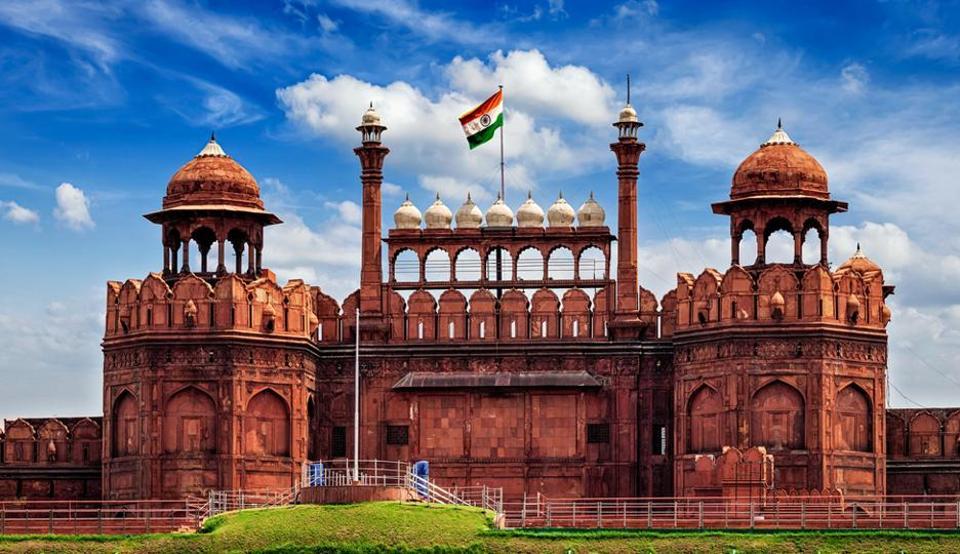
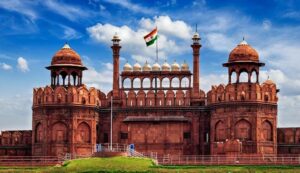
Rising majestically above the bustling streets of Old Delhi, the Red Fort is one of India’s most iconic monuments and a lasting symbol of the Mughal Empire. Commissioned by Emperor Shah Jahan in 1639 after he shifted his capital from Agra to Delhi, this magnificent fortress served as the residence of Mughal emperors for nearly two centuries. Its blend of Persian, Timurid, and Indian architectural traditions earned it recognition as a UNESCO World Heritage Site in 2007.
So, without further ado, here’s everything you should explore inside Delhi’s Red Fort:
1. Enter through the magnificent Lahori Gate
The Lahori Gate is the grand main entrance to the Red Fort and one of the most recognizable landmarks in India. Every year on Independence Day, the Prime Minister hoists the national flag here, continuing a tradition that began in 1947. Standing beneath its towering red sandstone walls, you can almost hear the echoes of centuries of history.
“The Red Fort is not just a monument; it’s where the story of India’s past and present come together.”
2. Wander through the bustling Chatta Chowk
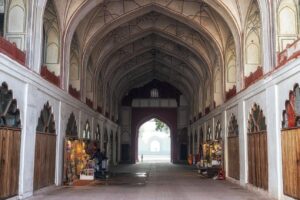
As you step inside the fort, you’ll find yourself in Chatta Chowk, a covered bazaar that once catered exclusively to Mughal nobility. Today, its colorful shops sell handicrafts, textiles, jewelry, and souvenirs, offering visitors a glimpse into the grandeur of imperial marketplaces.
Take your time exploring the arcade — the vaulted ceilings and symmetrical arches make this one of the fort’s most charming spaces.
3. Admire the splendor of Diwan-i-Khas
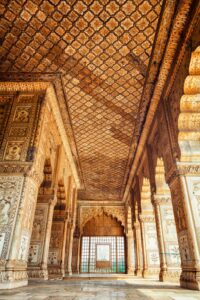
The Diwan-i-Khas, or Hall of Private Audience, is where Emperor Shah Jahan once met nobles and foreign dignitaries. This marble pavilion was once adorned with gold, precious stones, and the legendary Peacock Throne.Inscribed on its walls are the famous words:
“If there is a paradise on earth, it is this, it is this, it is this.”
Though much of its original opulence has been lost, the elegance of the structure still leaves visitors in awe.
4. Discover the Stream of Paradise
Flowing gracefully through the royal apartments was the Nahr-i-Behisht, or “Stream of Paradise.” This ingenious water channel cooled the palaces and connected various sections of the fort, embodying the Mughal vision of paradise on earth.
The delicate gardens, marble pavilions, and flowing water created an atmosphere of serenity that was unparalleled in its time.
It’s also worth hiking up Mount Orjen, whose summit lies at 1893m (6210 ft). There tends to be snow up here for half the year, and it’s got world-class mountain biking trails too if you’re into something even more adventurous. Vineyards abound in the nearby countryside, and you should also make your way to nearby Igalo, with both hot springs and healing sea mud.
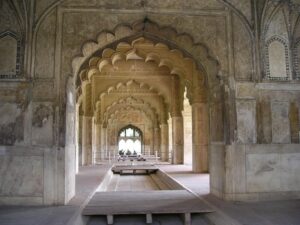
5. Explore the royal palaces and museums
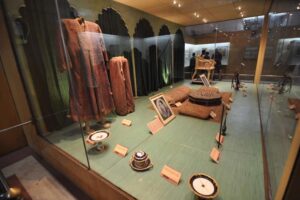
The Red Fort complex houses several museums and royal palaces, including Mumtaz Mahal and Rang Mahal. Here, you’ll discover artifacts from the Mughal era, historical manuscripts, paintings, and exhibits tracing India’s struggle for independence.
Each gallery reveals a different chapter of the fort’s remarkable story, from imperial grandeur to colonial occupation and finally, the birth of modern India.




It was a nice experience....
Sed ut perspiciatis unde omnis iste natus error sit voluptatem accusantium doloremque laudantium, totam rem aperiam, eaque ipsa quae ab illo inventore veritatis et quasi architecto beatae vitae dicta sunt explicabo. Nemo enim ipsam voluptatem.